Current Research Programs
FUNCTION: Arbuscular mycorrhizal fungi interactions in the nitrogen cycle for mitigating nitrous oxide emissions from agroecosystems
Fertilizer use in agriculture has had enormous deleterious environmental consequences. The inefficient use of nitrogen (N) fertilizer in agricultural soils results in the loss of N through nitrate leaching or emission of the greenhouse gas nitrous oxide (N2O), contributing to climate change, ozone depletion and major economic losses. The rate at which anthropogenic-derived N is returned to the atmosphere, including the proportion as N2O, is largely governed by the ecology and biology of the microorganisms involved. Arbuscular mycorrhizal fungi (AMF) are a key group of soil microorganisms that utilize and transfer N to symbiotic plant partners, and have shown potential for reducing N2O emissions. However, these mechanisms have yet to be determined. FUNCTION will define the role of AMF in the N-cycle via their interaction with microorganism that contribute both direct and indirectly to N2O production in agroecosystems and their involvement in mediating N2O emissions derived from N fertilizer inputs in soil.
Coordinator: Christina Hazard
Co-Investigator: Graeme Nicol
Postdoc: Manon Longepierre

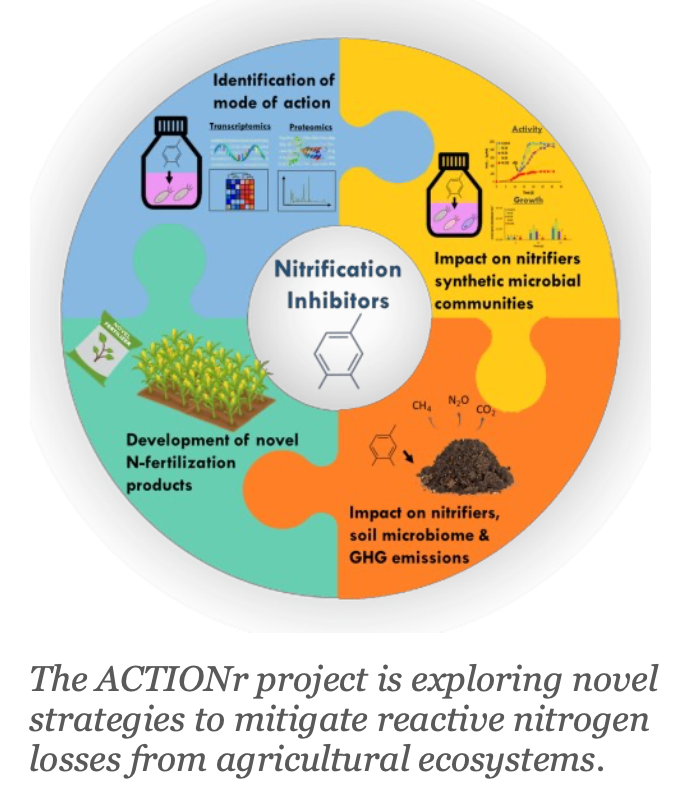
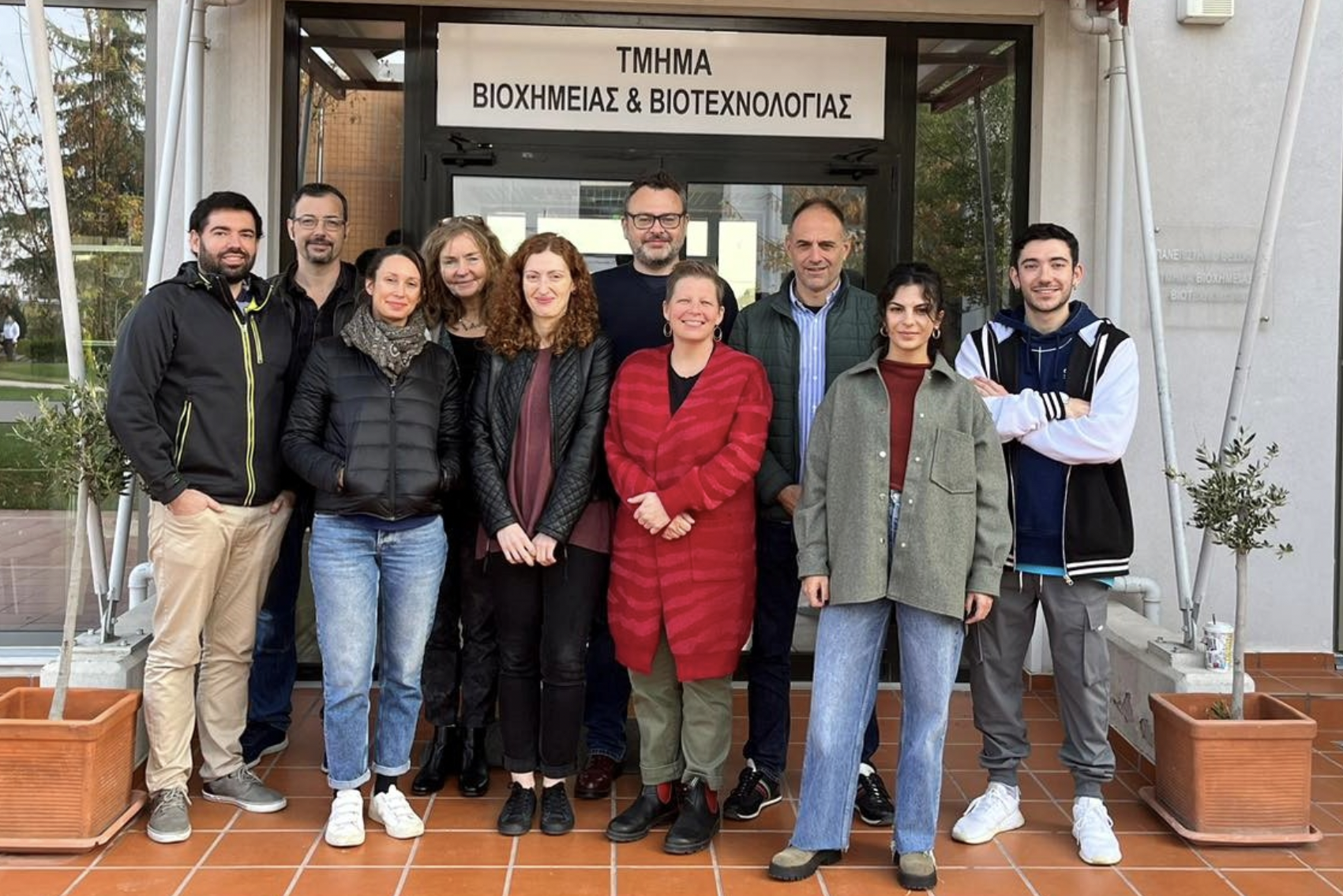
ACTIONr: Research action network for reducing reactive nitrogen losses from agriculture ecosystems
Globally, 50-70% of the N fertilizer applied to cropping systems is lost as nitrate and N-oxides, raising agricultural production costs and contributing to pollution and climate change. These losses are directly linked to the nitrification process catalysed by soil nitrifying microbes. The mitigation of reactive nitrogen (Nr) loss via nitrification inhibitors (NIs) is a promising solution for increasing N use efficiency (NUE) in agriculture. ACTIONr aims to unravel the scientific excellence and innovation potential through a European network of excellence on establishing novel tools and pathways for optimized NUE, reducing the continued acceleration of the N cycle, and decreasing the environmental footprint of Nr.
Principle Investigator: Graeme Nicol
Principle Investigator: Christina Hazard
Postdoc: Eleftheria Bachtsevani
Partners:
-University of Thessaly-
Dimitrios Karpouzas
Evangelia Papadopoulou
Sotirios Vasileiadis
-University of Vienna-
Christa Schleper
Melina Kerou
Logan Hodgskiss


Determining in situ rates of host-virus evolution in soil
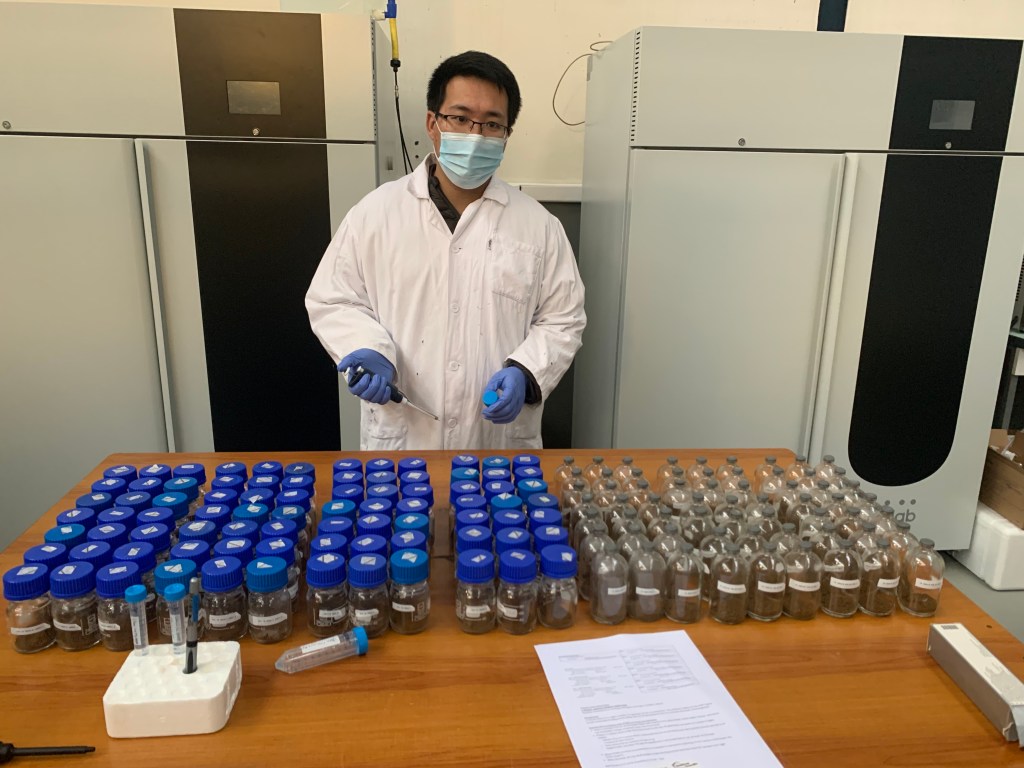
This research project aims to understand the consequences of virus infection on microorganisms that perform critical processes in the global carbon cycle. Metagenomic sequencing of soil microbial communities enables characterization of the vast diversity of microorganisms (including viruses) and identification of infection linkages between viruses and hosts at a broad level. To enable a detailed analysis of active virus-host interactions between individual populations over time, we will focus on the critical biogeochemical process of methane oxidation, which is performed by a taxonomically restricted group of bacteria. This analysis will examine the response of individual bacterial populations, at the genetic level, to virus infection by characterizing how the ‘bacterial immune system’ responds and evolves in the presence of active virus infection. This will allow us to determine how fast both virus and host population dynamics change, how quickly they evolve as a result of interaction, and ultimately how important viruses are in influencing critical microbially-mediated biogeochemical cycles in soil.
Principle Investigator: Christina Hazard
Co-Investigator: Graeme Nicol
PhD student: Huaiyu Wang

Diversity and dynamics of RNA viruses in soil
Viruses infect the diverse organisms in soil, suggesting important but largely unknown roles for viruses in soil ecosystems. Although viral impacts on terrestrial ecology have been less thoroughly investigated in comparison to marine systems, recent work on prokaryote DNA viruses has revealed thousands of previously unknown viral species and suggests that both host populations and abiotic factors contribute to viral distribution and dynamics, and that viruses play key roles in regulating biogeochemical cycles in soil. The role of RNA viruses in mediating bacteria, fungi and other organism populations in soil has been less considered. This project aims to gain a better understanding of the diversity and dynamics of RNA viruses in soil.
Principle Investigator: Christina Hazard
Co-Investigator: Graeme Nicol
PhD student: Yuanyuan Zhang

Pipeline for development of virus-mediated biological nitrification inhibition to mitigate GHG emissions from cultivated soils
This research program aims to develop innovative approaches for cultivating viruses of soil nitrifiers and evaluate their potential as a highly-targeted ‘soil phage therapy’ for reducing nitrifier activity and the mitigation of environmental impacts of fertilizer N transformation.
Coordinator: Christina Hazard
Co-Investigator: Graeme Nicol
Postdoc: Rakshita Govind
Co-Investigator: Lisa Stein (University of Alberta)

CONSERVE: Controlling nitrification in soil by exploiting virus ecology
Microorganisms have a central role in soil biogeochemical processes. While we understand the diversity and functional role of different prokaryotic groups, we are only beginning to recognize the scale of soil virus diversity with fundamental knowledge gaps regarding viral impacts on processes. The aim of CONSERVE is to develop approaches to characterize virus-host interactions associated with specific biogeochemical processes and determine whether those infecting nitrifiers can be developed as a model group in soil virus ecology.
Coordinator: Graeme Nicol
Co-Investigator: Christina Hazard
Postdoc: Sungeun Lee
Scaling the impact of viruses from single cells to the global methane cycle
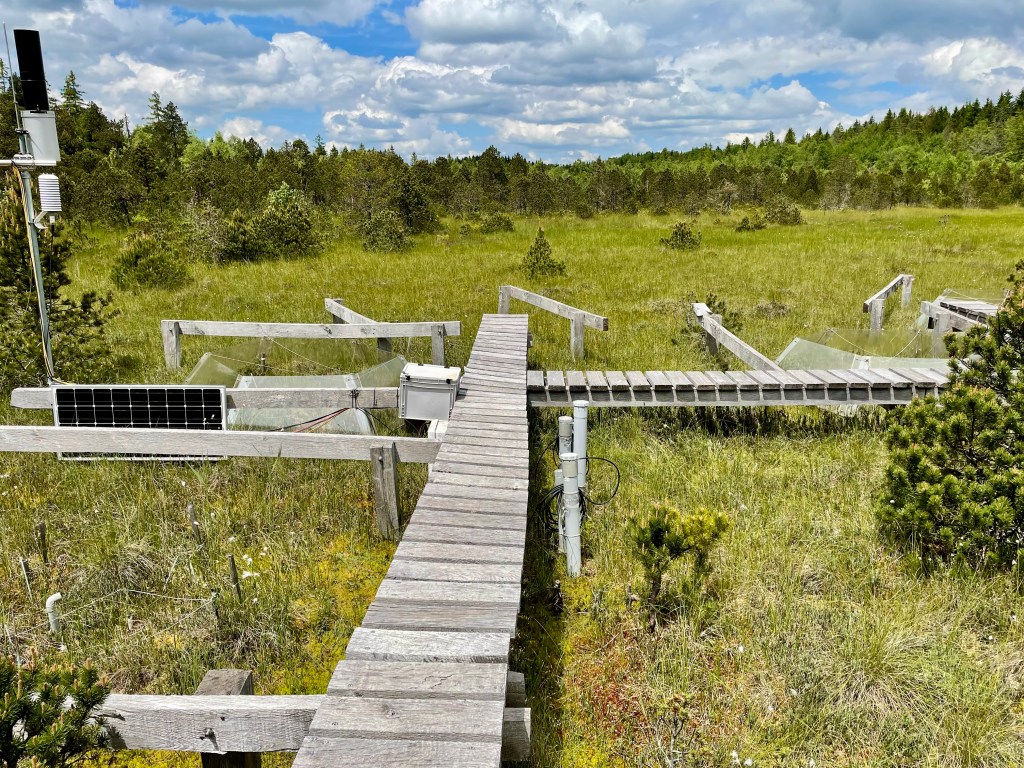
How viruses impact microbial communities and influence methane emissions under changing environmental conditions is completely unknown. Leveraging peatlands located on different continents, and ranging from pristine to anthropogenically disturbed to restored sites, we will determine the impact of virus control on methane-cycling in peatlands at different stages of vulnerability to climate change and other anthropogenic impacts. These ecosystems are crucial for global carbon storage, holding half of the planet’s soil carbon, but are also major sources of methane, a more potent greenhouse gas than carbon dioxide. Increasing temperatures and decreasing water table depth due to climate change and increasing methane production caused by peatland degradation is of significant global concern. Microorganisms control rates of degradation, consumption, and production of carbon sources and changes in water table depth and peat exposure to oxygen is a key regulator of methane production.
Partner: Graeme Nicol
Partner: Christina Hazard
PhD student: Arianna Farolfi
Partners:
Ashish Malik (University of Edinburgh)
Joanne Emerson (University of California, Davis)
Karthik Anantharaman (University of Wisconsin)

Former Research Programs
ARISTO: The European industry – academic network for revising and advancing the assessment of the soil microbial toxicity of pesticides
Pesticides are major environmental pollutants. For this reason the European Commission has imposed a stringent pesticide regulatory scheme for pesticides authorisation, where risk assessment for aquatic organisms and terrestrial macro-organisms is well defined. In contrast the assessment of the toxicity of pesticides on soil microorganisms is lagging behind. EFSA identified soil microorganisms as an attribute to monitor during pesticides environmental risk assessment and stressed the need for novel tests to assess the toxicity of pesticides on soil microorganisms. The ARISTO project will fulfill this scientific and regulatory gap through a unique doctoral program, based on the strong interaction of academia and industry. These will produce benchmarking knowledge supporting the development of advanced tools and procedures, based on the response of key microbial indicator groups, for the comprehensive assessment of the toxicity of pesticides on soil microorganisms.
Principle Investigator: Graeme Nicol
Co-Investigator: Christina Hazard
Former PhD student: Eleftheria Bachtsevani
See project website for partners


 Hazard Lab & Nicol Lab